Freshwater Lakes & Reservoirs
Fish Georgia's major reservoirs, state-park lakes, rivers, and ponds for bass, crappie, catfish, bream, stripers, hybrids, and other freshwater favorites.

From mountain trout streams and major reservoirs to Georgia's coast, anglers can fish a wide range of waters across the state.
Use GeorgiaOutdoors to explore fishing destinations, compare water types, filter by county or species, and open detailed planning pages with species, access notes, amenities, and official regulation reminders.
Start with the kind of water and species you want, then use official Georgia resources to confirm current licenses, creel limits, trout rules, saltwater requirements, and access details.
Fish Georgia's major reservoirs, state-park lakes, rivers, and ponds for bass, crappie, catfish, bream, stripers, hybrids, and other freshwater favorites.
North Georgia's coldwater streams and tailwaters offer stocked and wild trout opportunities, scenic mountain water, and classic fly-fishing trips.
Georgia's coast brings a different kind of fishing day, from tidal creeks and marshes to nearshore reefs and offshore saltwater opportunities.
Use GeorgiaOutdoors for trip inspiration, then confirm current licenses, creel limits, trout rules, saltwater requirements, and public-access rules with official state resources.
GeorgiaOutdoors is a planning guide, not the final legal authority. Always check Georgia DNR and Go Outdoors Georgia for current fishing regulations, license requirements, trout rules, saltwater permits, creel limits, and public-access information.
Start with Georgia DNR's angler resources and the current hunting and fishing regulations guide before planning a trip.
Purchase fishing licenses, trout licenses, saltwater information program permits, and related privileges through Go Outdoors Georgia.
Georgia DNR recognizes anglers through the Freshwater Fish State Record Program, including legendary catches like George Perry's 22 lb. 4 oz. largemouth bass.
Big fish stories are part of what keeps anglers coming back. Use these resources for official state records, saltwater recognition, and lake-by-lake inspiration.
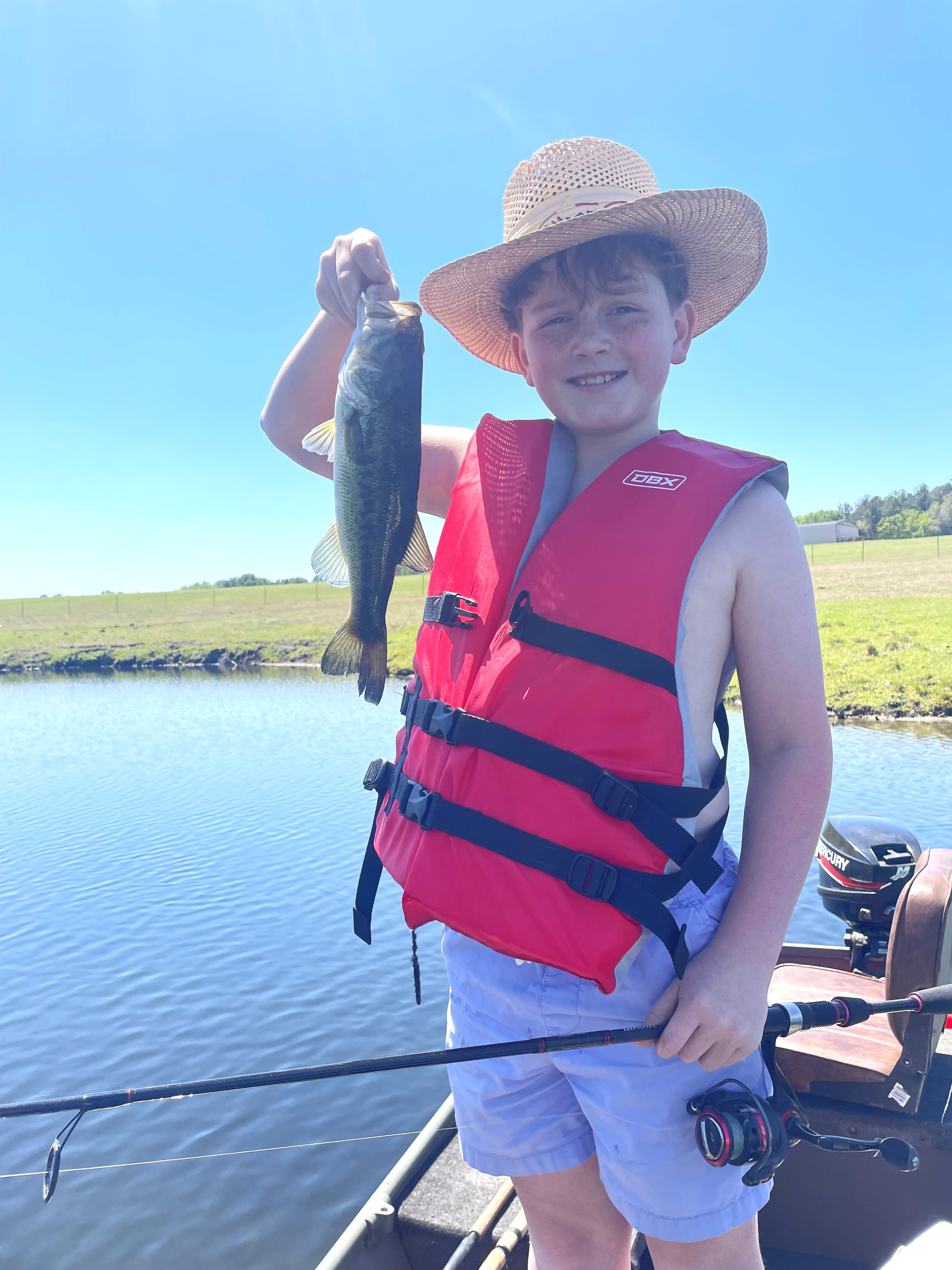
Georgia's freshwater record program recognizes trophy catches by species. It is the best starting point for official statewide freshwater record information.
Georgia's saltwater records program recognizes record-setting catches from the state's salt waters, with current records and some photos available through Coastal Georgia DNR.
Georgia DNR recognizes notable catches and fishing achievements through official angler programs such as Bass Slam, Trout Slam, and related awards.
From coldwater trout streams to major reservoirs and coastal marshes, Georgia offers fishing experiences that change by water, region, season, and species.
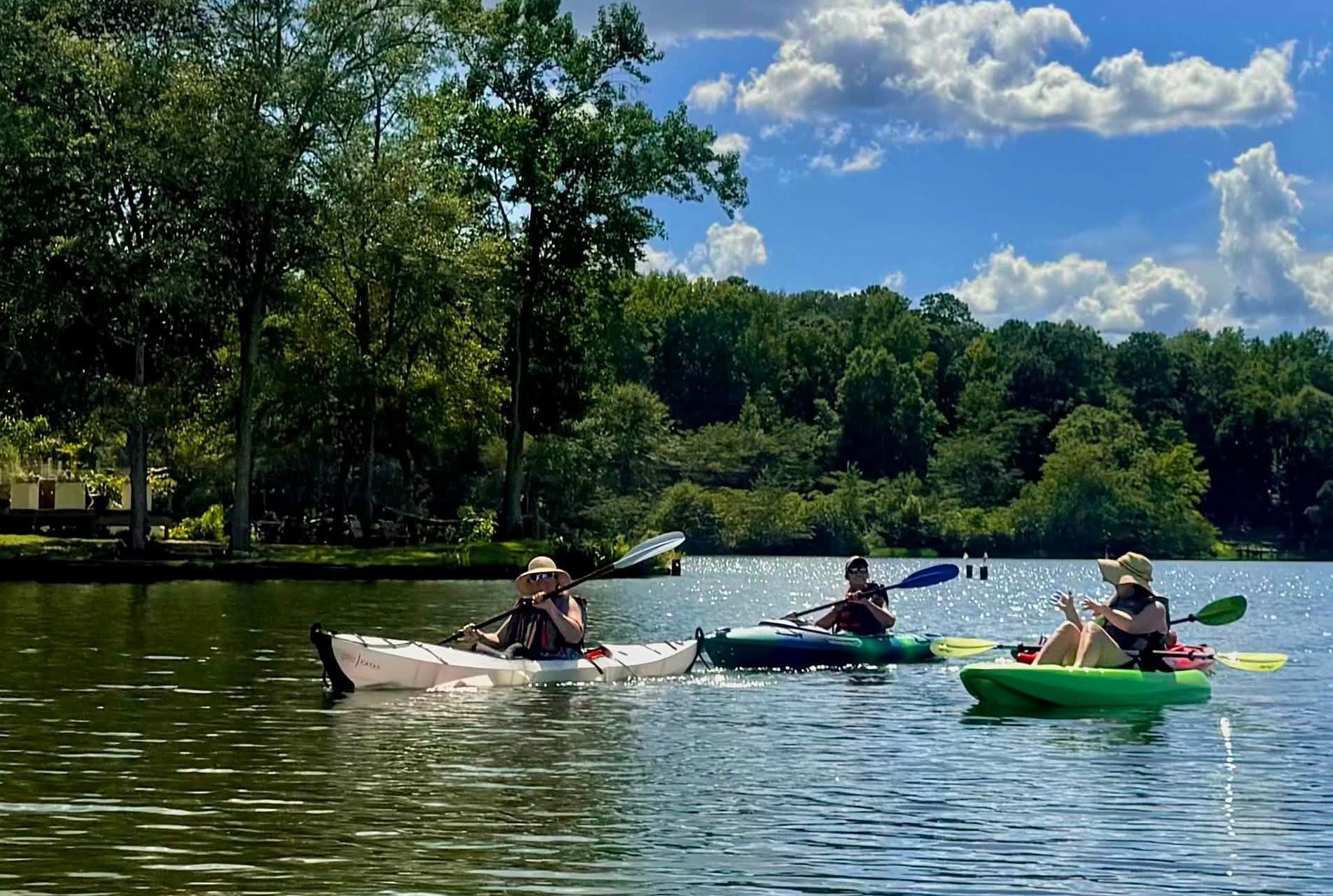
Cool mountain waters offer some of the best trout fishing in the Southeast, with scenic settings, stocked waters, and peaceful surroundings.
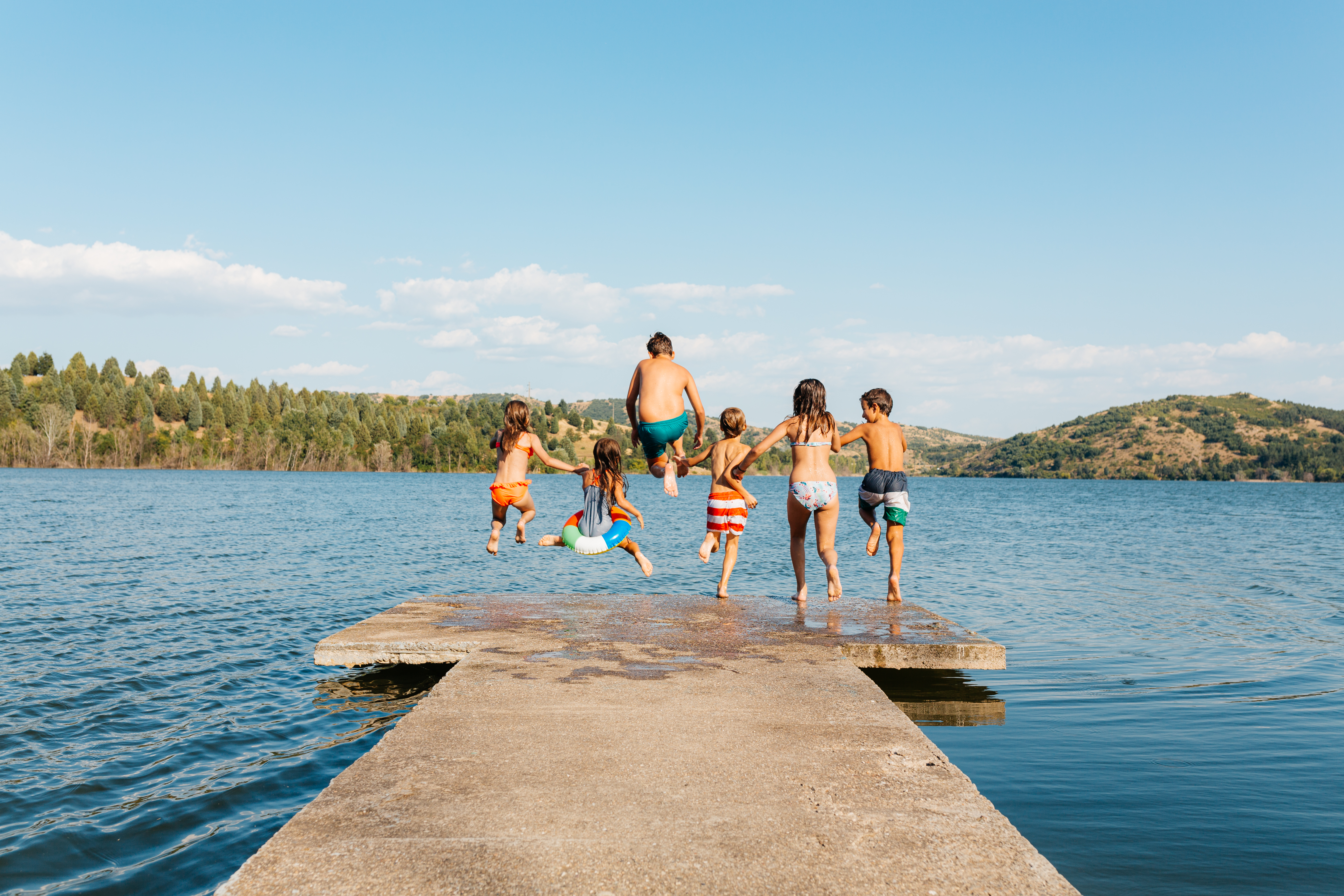
Georgia's lakes are known for bass fishing, boating access, family-friendly banks, docks, marinas, and year-round angling opportunities.
From saltwater flats to tidal creeks, Georgia's coast provides unique fishing opportunities for redfish, trout, flounder, sheepshead, and more.
A small curated set of fishing destinations from the GeorgiaOutdoors database. Use the browser below for the full listing.

Georgia’s largest lake, known for boating, swimming, fishing, camping, and major recreation areas.

The Toccoa River is a premier north Georgia trout stream and tailwater, with cold-water fishing below Lake Blue Ridge Dam and stocked rainbow and brown trout opportunities.
Big Lazer Creek PFA is a managed Georgia public fishing area in Talbot County with a 195-acre lake, bank access, boat access, and strong bluegill, catfish, crappie, and bass opportunities.
Tybee Island Pier and Pavilion is a public saltwater fishing pier at Tybrisa Street and Strand Avenue, with beach access, restrooms, paid nearby parking, and Atlantic Ocean views.
Search by lake or destination name, then narrow results by water type, county, or species. Results include lakes, reservoirs, PFAs, piers, rivers, and coastal fishing access.
Showing 1–12 of 58 fishing locations.
Georgia’s largest lake, known for boating, swimming, fishing, camping, and major recreation areas.
The Toccoa River is a premier north Georgia trout stream and tailwater, with cold-water fishing below Lake Blue Ridge Dam and stocked rainbow and brown trout opportunities.
Big Lazer Creek PFA is a managed Georgia public fishing area in Talbot County with a 195-acre lake, bank access, boat access, and strong bluegill, catfish, crappie, and bass opportunities.
Tybee Island Pier and Pavilion is a public saltwater fishing pier at Tybrisa Street and Strand Avenue, with beach access, restrooms, paid nearby parking, and Atlantic Ocean views.
Metro Atlanta river section with trout, shoal bass, largemouth, stripers, pickerel, bream, and catfish.
Coosa River is a Georgia river fishing destination with public access for bank fishing, paddling, wading where appropriate, and seasonal species patterns shaped by flow and water conditions.
Dodge County PFA is a managed Georgia public fishing area with lake access, bank-fishing opportunities, and practical warmwater fishing for bass, bream, catfish, and crappie.
Evans County PFA is a managed Georgia public fishing area with focused lake access, bank fishing, boat access where available, and family-friendly opportunities for bass, bream, catfish, and crappie.
Flat Creek PFA is a managed Georgia public fishing area near Perry with bank access, boat access, and family-friendly fishing for bass, bream, catfish, and crappie.
Georgia Coast Rail Trail Satilla River Fishing Pier gives anglers a simple public pier stop for fishing the Satilla River corridor near Woodbine and the Georgia coast.
Harrietts Bluff Boat Ramp Fishing Pier provides Camden County saltwater access with boat-ramp and pier fishing opportunities near Crooked River and the Georgia coast.
Howard Gilman Memorial Park Pier is a Georgia coastal fishing access point for saltwater anglers, with public pier, dock, bridge, shoreline, or boat-ramp access depending on the site.