Nights by the Fire, Mornings in Nature

Find Your Perfect Camping Experience

From primitive backcountry sites to full-service campgrounds and unique stays, Georgia makes it easy to camp your way year-round.

Why Camp Here

Camping in Georgia Means More Choices, More Scenery, and More Ways to Get Outside

Whether you're a brand-new camper or a seasoned backpacker, Georgia offers an incredible mix of landscapes and amenities that make it easy to craft your perfect outdoor adventure. Go primitive and pack your gear in, bring your RV, or book a yurt, treehouse, cabin, or other unique stay.

Ways to Camp in Georgia

Whether you want to rough it, roll in with your RV, or book a more comfortable outdoor stay, Georgia has an option that fits your style.

Primitive Camping

Disconnect and immerse yourself in nature with backcountry sites, hike-in camping, and a more rugged outdoor experience.

RV & Campgrounds

Enjoy easy access, hookups, bathhouses, camp stores, dump stations, and family-friendly amenities at campgrounds across the state.

Glamping & Unique Stays

Stay in yurts, cabins, treehouses, safari tents, or other comfortable outdoor getaways without giving up the feeling of being close to nature.

Camping Guides & Tips

Use these quick-reference guides to fine-tune the details of a campground trip, from family activities and campsite courtesy to packing, RV setup, tent comfort, and campfire safety.
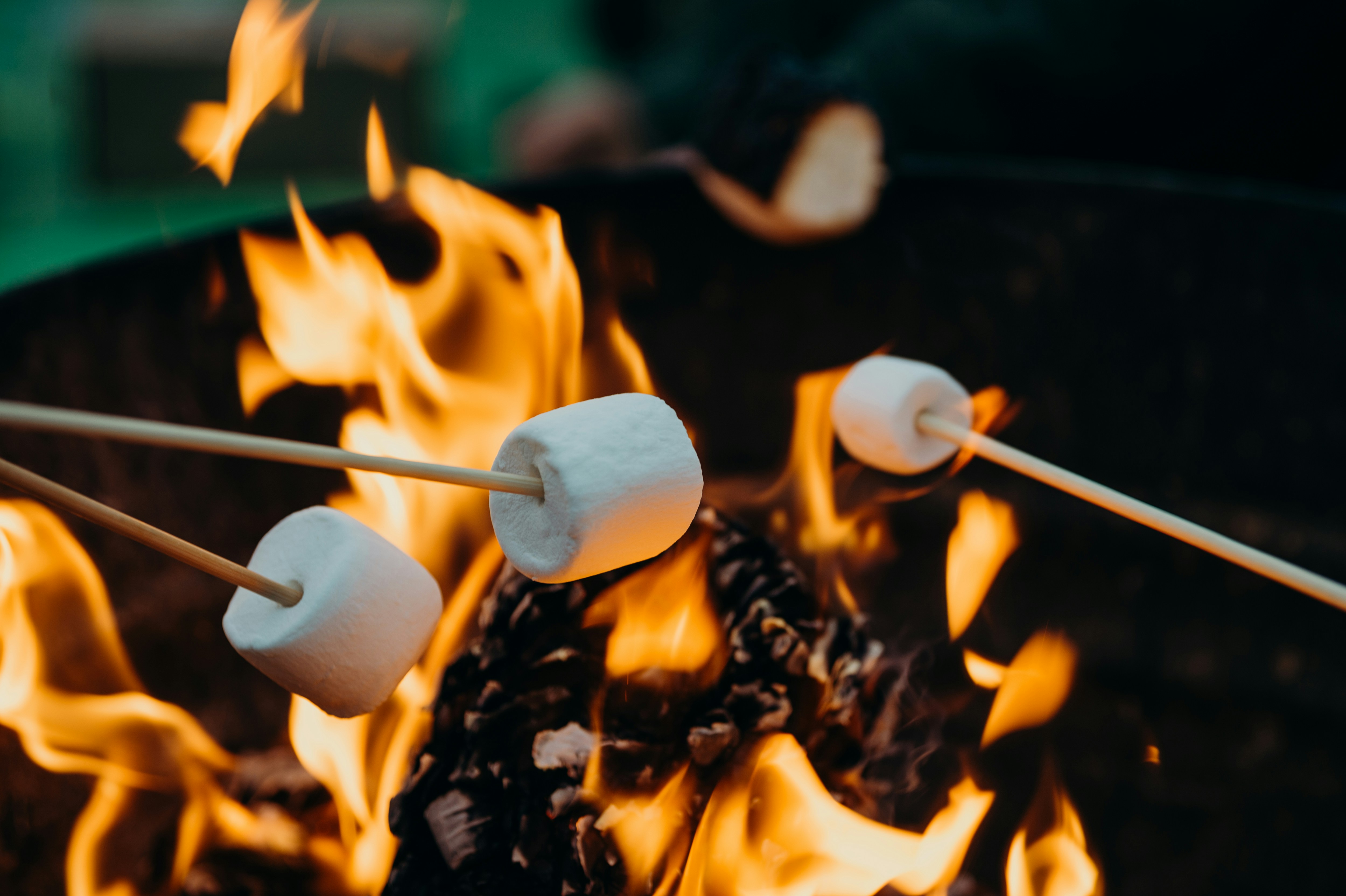
Children enjoying simple camping activities near a campsite

50 Things for Kids to Do While Camping

Keep children busy around camp with simple games, nature challenges, night activities, rainy-day ideas, and lake-friendly fun.

Read tips →
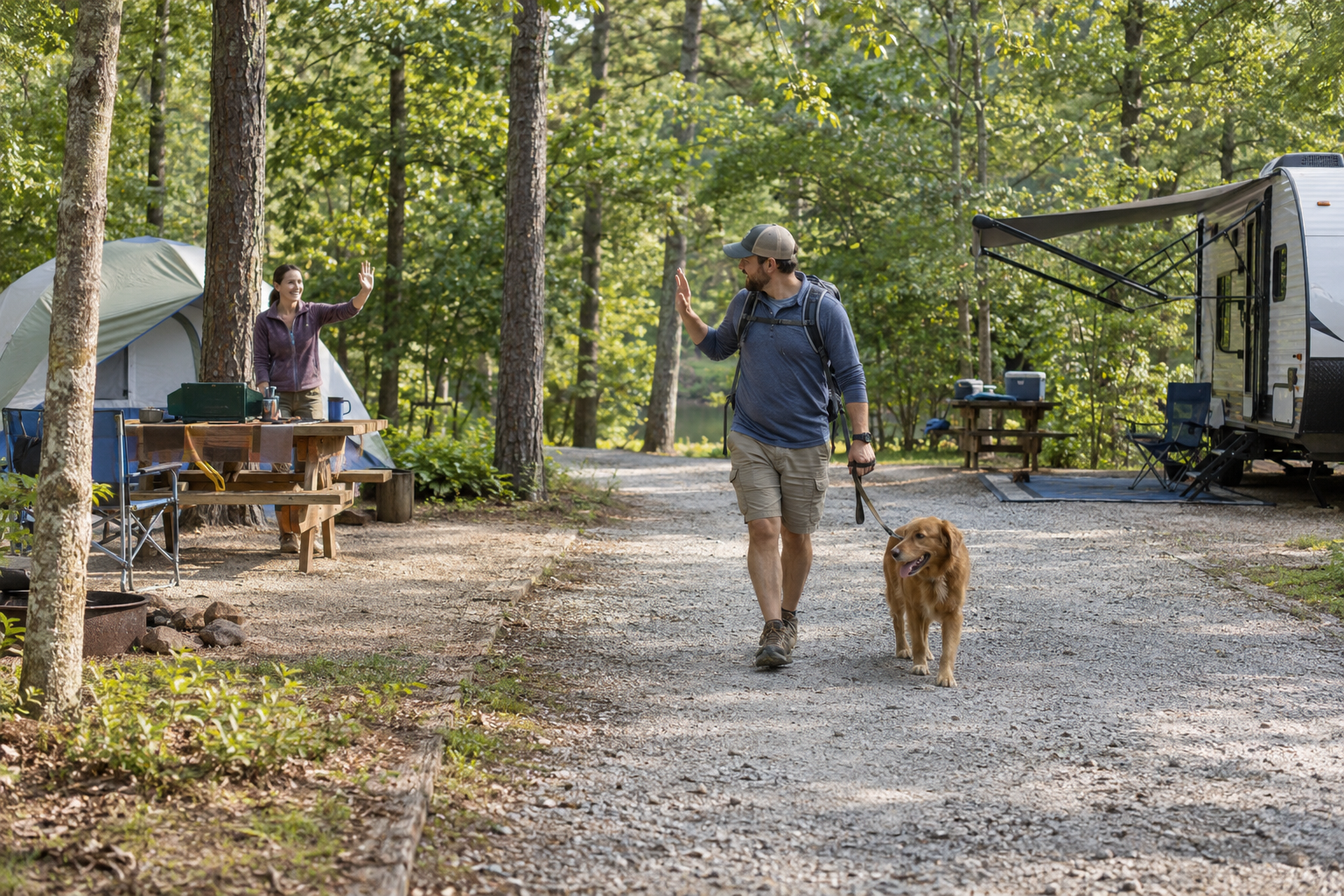
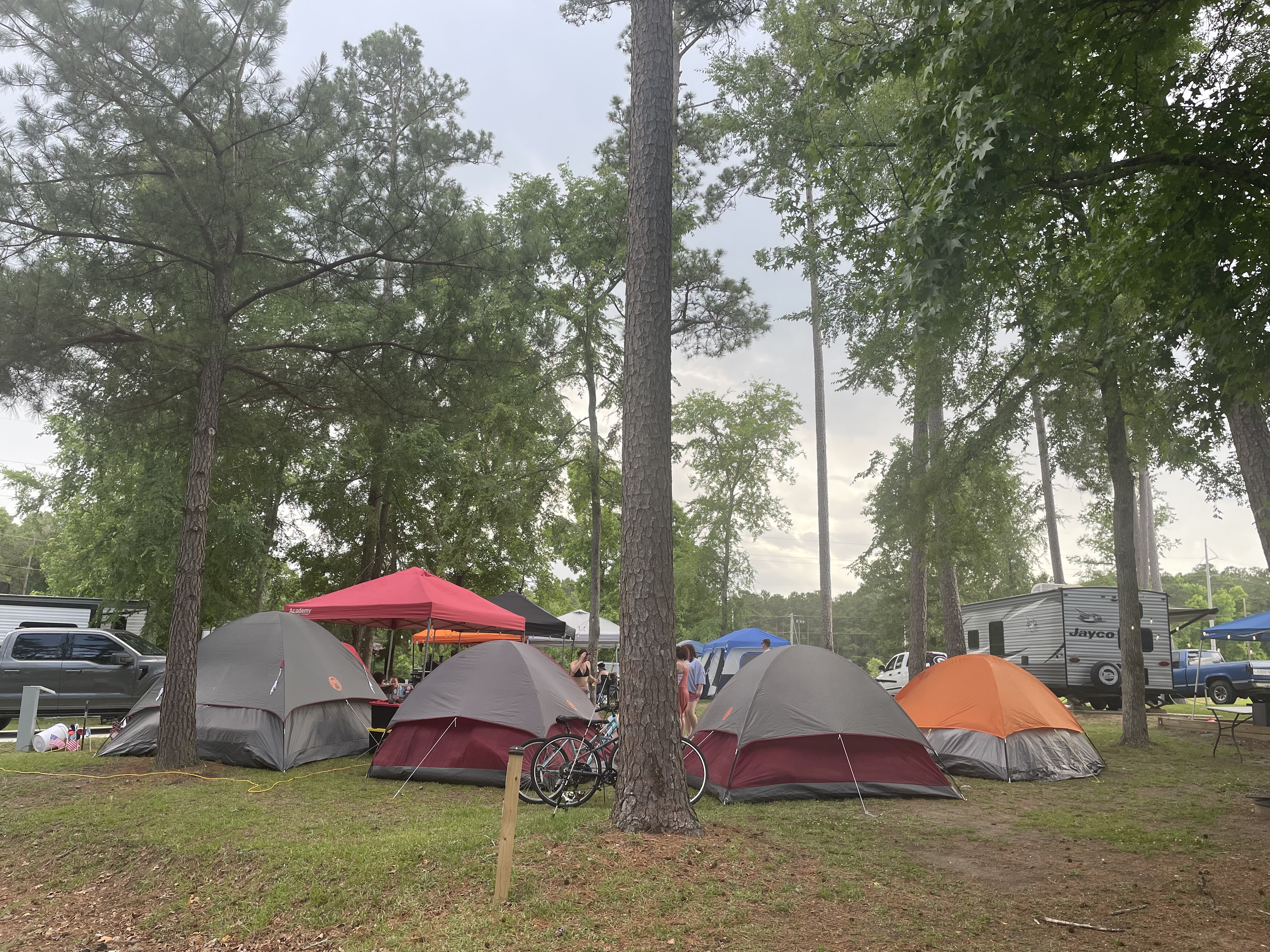
Quiet campground loop with tents and neighboring campsites

Camping Etiquette

A practical guide to quiet hours, pets, trash, campsite boundaries, generators, campfires, and being a good neighbor.

Read tips →
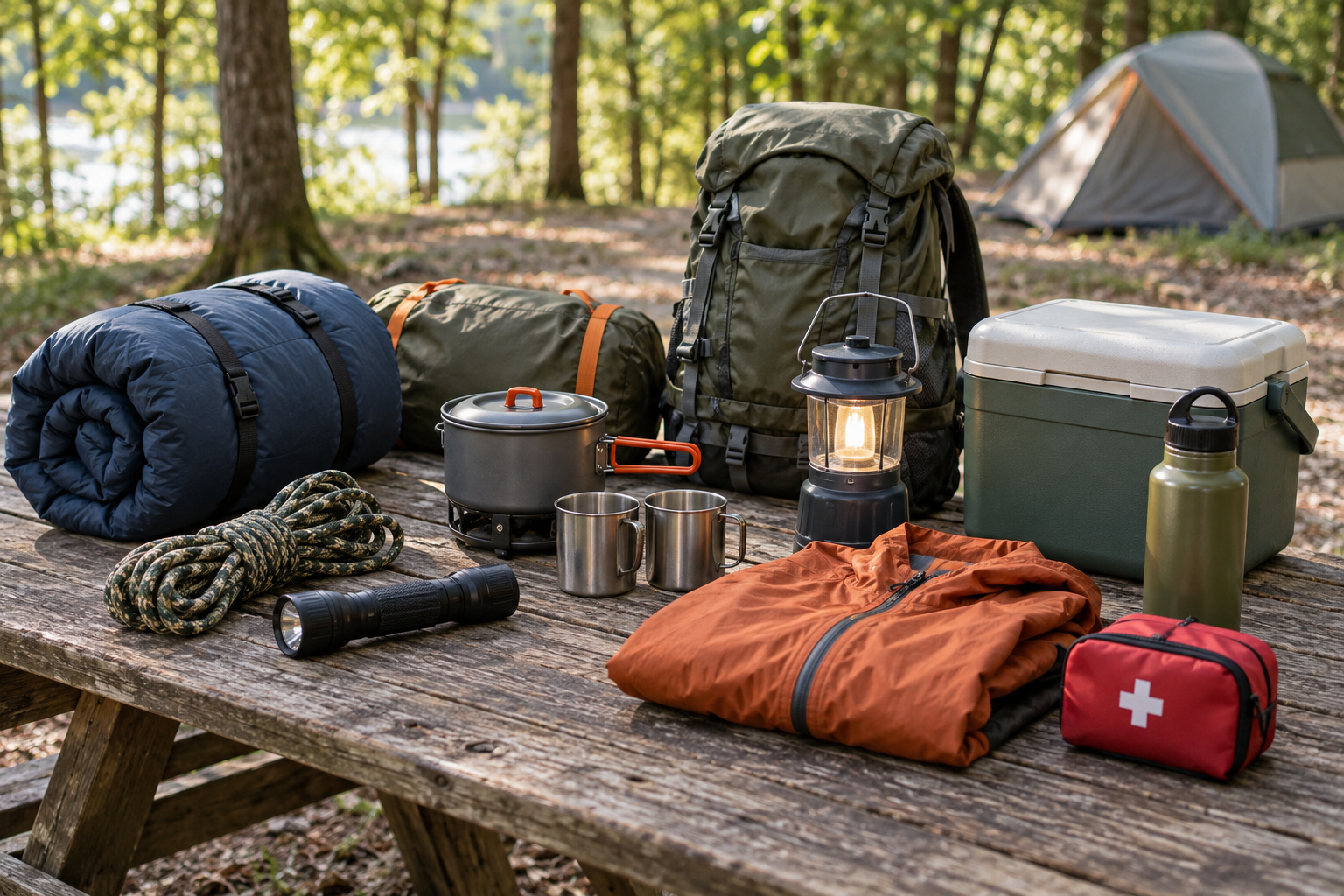
Camping supplies including lantern, cookware, cooler, and packed gear

Camping Checklist

A practical packing list for shelter, sleep gear, cooking supplies, lighting, safety, comfort, and the little things that make camp run smoother.

Read tips →
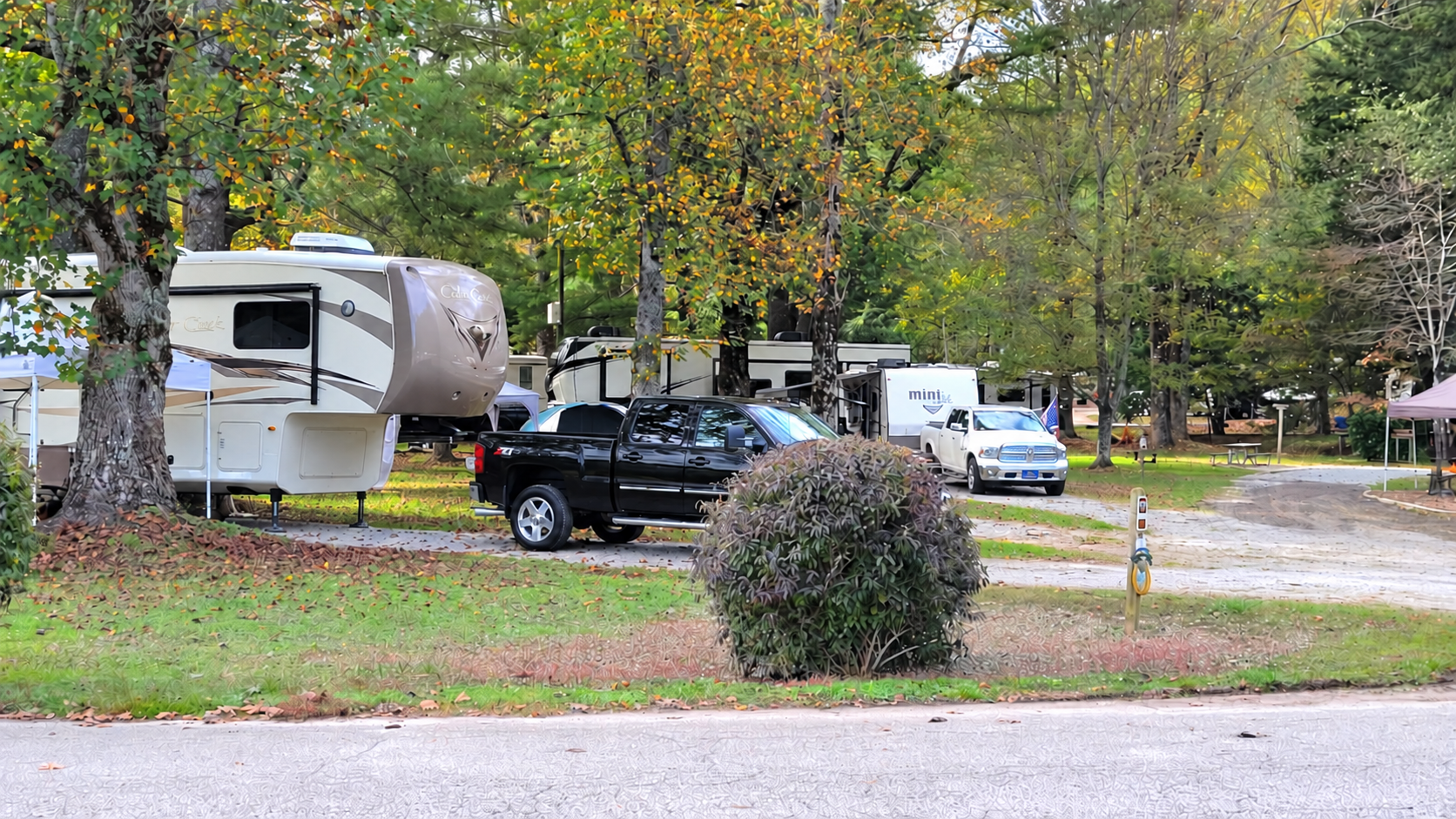
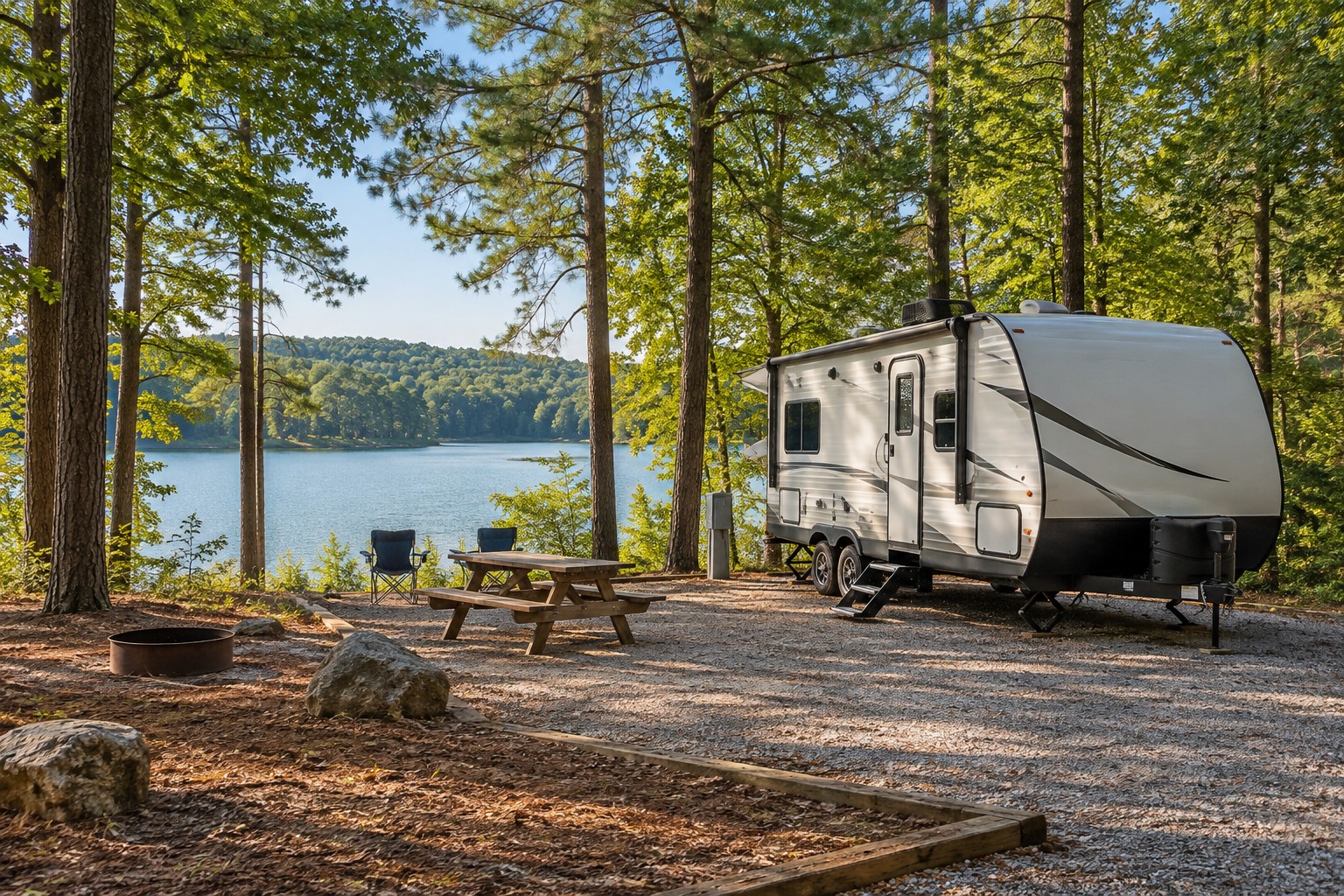
RV parked at a wooded campground campsite

RV Camping Notes

Helpful reminders for matching your rig to the right site, including hookups, site length, dump stations, arrival rules, and road access.

Read tips →
Tent set up at a scenic campsite

Tent Camping Notes

Field-tested reminders for choosing a tent site, staying drier, sleeping more comfortably, cooking safely, and keeping camp organized.

Read tips →
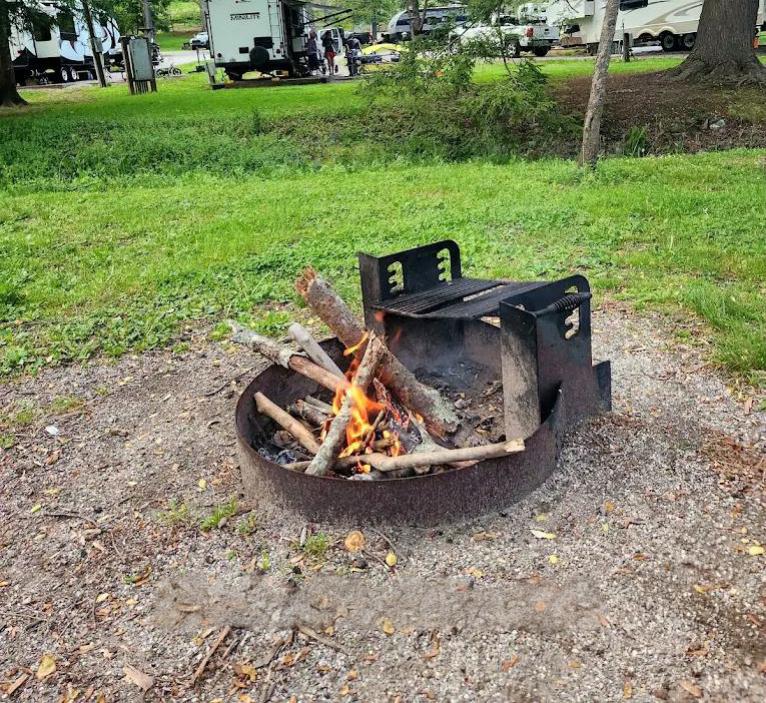
Small campfire contained inside a campground fire ring

Campfire Safety & Courtesy

Use fire rings wisely, follow burn bans, manage firewood, respect nearby campers, and make sure every fire is fully out.

Read tips →

Choosing the Right Campground

The best campground depends on the trip: a quiet lake weekend, a mountain basecamp, an RV stopover, a family getaway, or a few nights close to trails and small towns.

Trip Planning Considerations

  • Do you want a quiet campground or a place with planned activities and family amenities?
  • Are you camping in a tent, RV, cabin, yurt, or glamping setup?
  • Do you need full hookups, a dump station, bathhouse, or laundry?
  • Is the campground close enough to groceries, fuel, restaurants, or medical services?
  • Are pets allowed, and are there leash rules or breed restrictions?
  • Will you spend more time at the campground or exploring nearby attractions?
  • Do you need lake access, a boat ramp, playground, beach, or hiking trails?
  • Are there road grades, low branches, or tight turns that matter for your RV or trailer?

Match the Campground to the Trip

For a family camping trip, convenience may matter more than remoteness. For a fishing weekend, prioritize water access and boat ramps. For an RV road trip, confirm site length, hookups, and arrival rules. For a quiet mountain getaway, look for smaller campgrounds away from major attractions.

Use the campground directory to search by region, city, county, or nearby destination, then check the detail page for site counts, amenities, activities, and nearby attractions.

Browse the campground directory →

Understanding Campground Types

Georgia campgrounds vary widely. Knowing the difference can help you choose a better basecamp.

State Park Camping

Often a strong choice for families, first-time campers, cabins, trails, lake access, ranger programs, and a more predictable public-park experience.

Corps of Engineers Camping

Usually found around major lakes and reservoirs, with boating, fishing, shoreline scenery, and a quieter public recreation feel.

Private RV Parks & Campgrounds

A practical fit for full hookups, longer RV stays, pull-through sites, laundry, Wi-Fi, camp stores, and road-trip convenience.

Primitive & Forest Camping

Best for campers who are comfortable with fewer amenities and want a simpler stay near trails, rivers, trout streams, or forest roads.

Featured Camping Areas

From mountain campsites to swamp-edge escapes and state park favorites, Georgia offers camping experiences for every season and style.
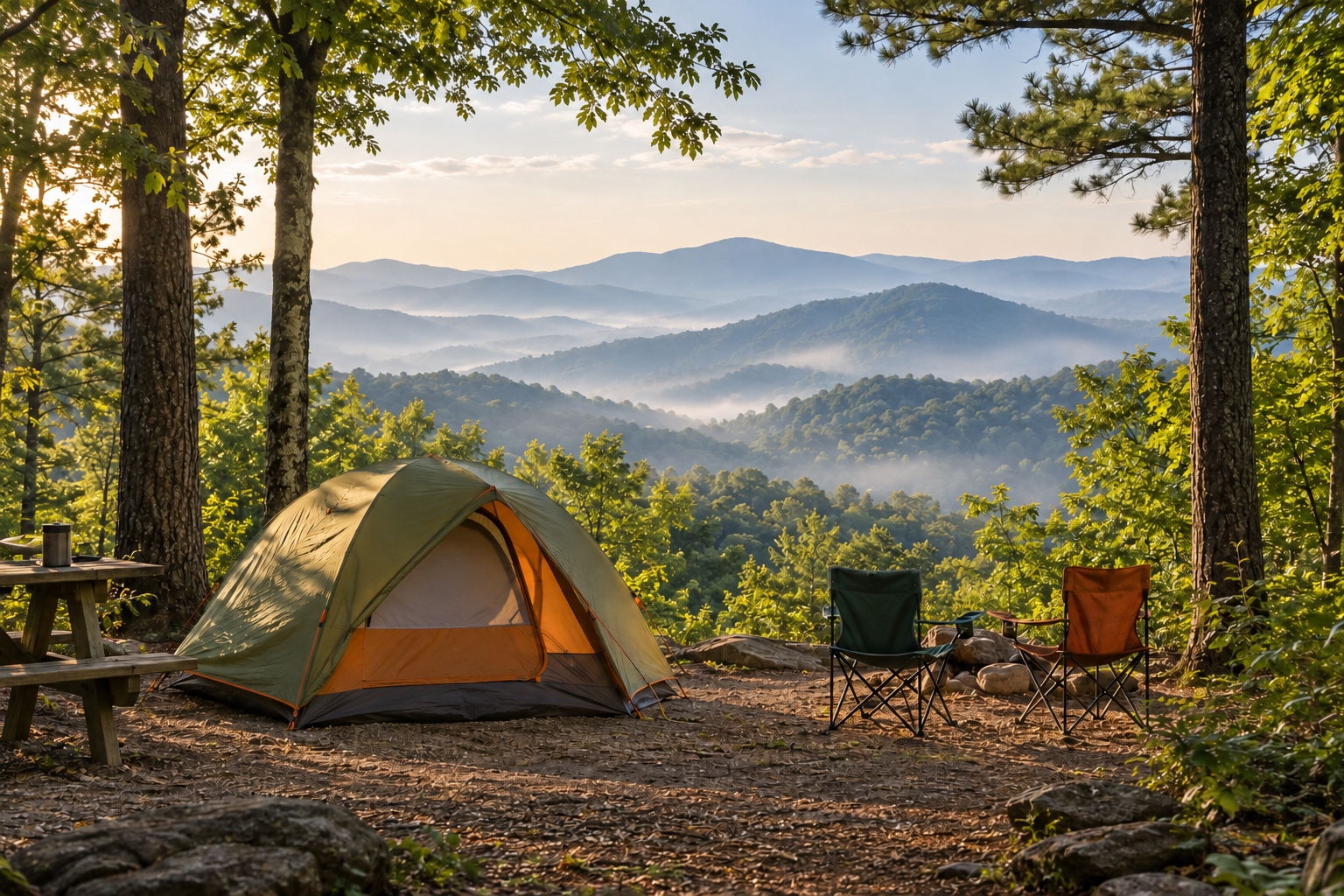
North Georgia Mountains

North Georgia Mountains

Cooler temperatures, scenic overlooks, waterfalls, forest roads, and mountain campgrounds make this one of Georgia's most popular camping regions.
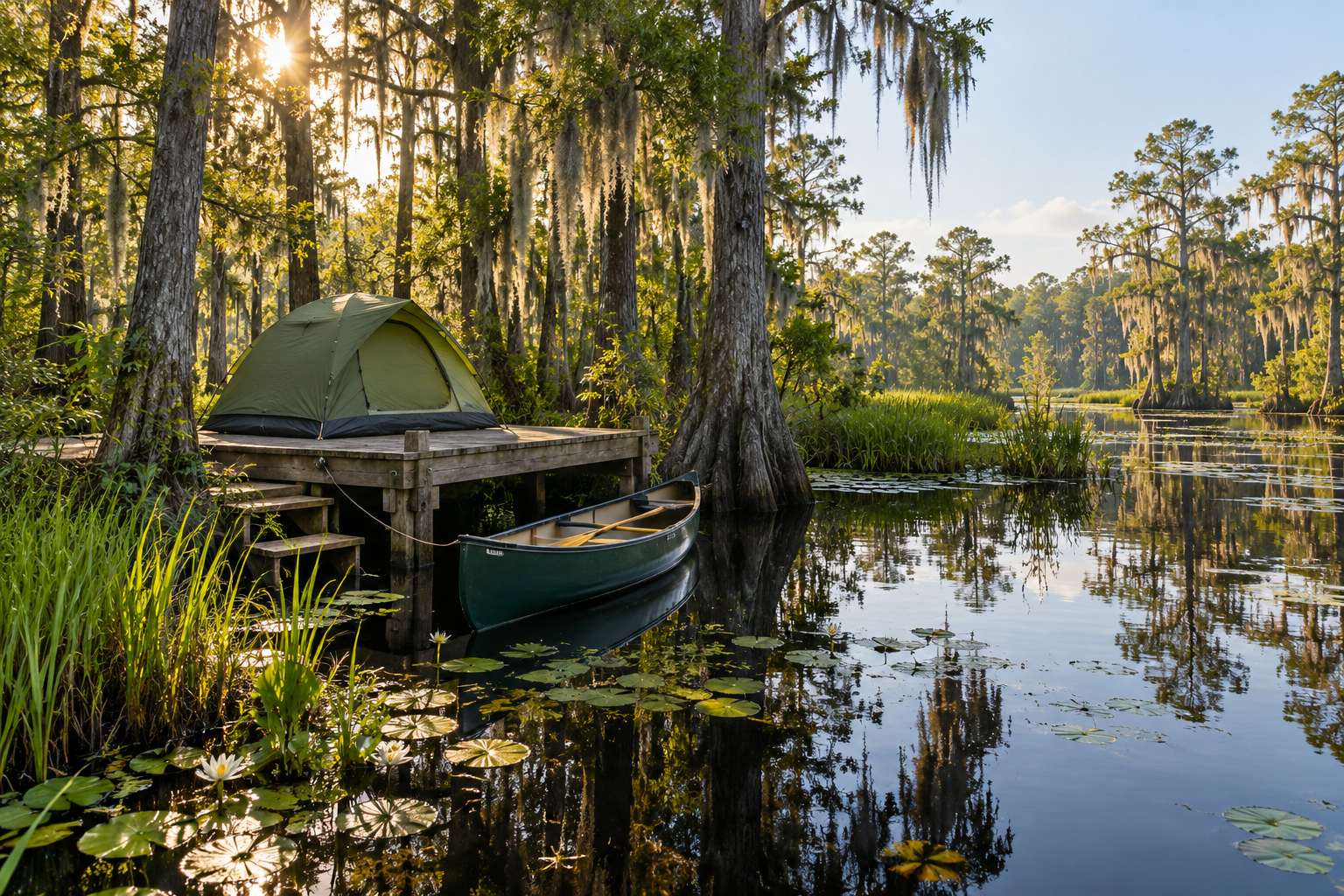
Coastal & Okefenokee

Coastal & Okefenokee

Experience a completely different side of Georgia with coastal camping, wildlife viewing, paddling, and unforgettable swamp landscapes.
State Parks

State Parks

Georgia's state parks offer some of the most accessible and well-maintained campgrounds in the state, with amenities for many camping styles.

Practical Camping Advice

Start with these quick-reference tips. Each topic can later grow into its own full camping guide article.

50 Things for Kids to Do While Camping

Camping gives kids room to explore, invent, collect, watch, build, listen, and wonder. Start with a handful of these ideas, then let the campground, weather, and age of the kids shape the rest of the day.

  • Go on a pinecone, leaf, or acorn scavenger hunt
  • Build a nature journal with drawings from around camp
  • Look for animal tracks near trails, creeks, or muddy spots
  • Play campground bingo with birds, tents, campfires, and boats
  • Make shadow puppets with a flashlight after dark
  • Tell round-robin campfire stories
  • Collect smooth rocks and sort them by color or shape
  • Count how many different bird calls you hear before breakfast
  • Create a campsite obstacle course with safe natural boundaries
  • Make a simple map of the campground loop
  • Look for constellations or the brightest planet in the night sky
  • Play twenty questions using only outdoor animals or plants
  • Build tiny stick forts for toy animals or action figures
  • Practice tying simple knots with short pieces of rope
  • Make leaf rubbings with paper and crayons
  • Skip rocks where it is safe and allowed
  • Search for interesting bark patterns on different trees
  • Plan a quiet sunrise walk
  • Play flashlight tag in an open area away from roads
  • Create a rainy-day card game tournament

Camping Etiquette

A good campground stay depends on small courtesies. Most problems can be avoided by respecting quiet hours, keeping a clean site, and remembering that every campsite is someone else's temporary home.

  • Respect quiet hours, especially early mornings and late evenings
  • Keep pets leashed and clean up after them
  • Do not walk through another camper's site
  • Use generators only when and where they are allowed
  • Keep campfires inside designated rings and fully extinguish them
  • Pack out trash and leave the site cleaner than you found it
  • Keep music, TVs, and outdoor speakers at a neighbor-friendly volume
  • Dim bright lights when they are not needed
  • Drive slowly through campground loops and watch for kids and bikes
  • Keep food secured so wildlife does not learn to visit campsites
  • Do not move picnic tables or campground equipment without permission
  • Give other campers space at bathhouses, boat ramps, and shared water access

Camping Checklist

The best packing lists are practical, not complicated. Focus on staying dry, sleeping well, eating safely, and having enough light after dark.

  • Tent, RV setup gear, or confirmed cabin/glamping reservation
  • Sleeping bags, pillows, blankets, and sleeping pads
  • Lanterns, flashlights, headlamps, and extra batteries
  • Camp chairs, cooler, cookware, and basic meal supplies
  • Water bottles, sunscreen, bug spray, and first-aid kit
  • Rain gear, warm layers, extra socks, and camp shoes
  • Trash bags, paper towels, dish soap, and hand sanitizer
  • Reservation details, campground rules, and offline directions
  • Matches or lighter stored in a dry container
  • Food storage bins or bags that can be secured from wildlife
  • Phone charger, battery pack, and any needed medications
  • A simple backup meal in case weather or arrival time changes your plan

RV Camping Notes

RV trips go more smoothly when the site matches the rig. A beautiful campground can still be a poor fit if the road, site length, or hookup setup creates problems on arrival.

  • Confirm site length before booking, especially for larger rigs
  • Check whether the site has full hookups, water/electric only, or no hookups
  • Ask about dump stations if sewer hookup is not available
  • Carry leveling blocks, a surge protector, and extra hose length
  • Review arrival times, gate codes, and campground road conditions
  • Plan fuel and grocery stops before reaching remote campgrounds
  • Ask whether sites are back-in or pull-through if that matters for your setup
  • Check tree clearance and road grades for mountain campgrounds
  • Keep a printed or offline copy of your reservation
  • Know your generator rules before relying on generator power

Tent Camping Notes

A good tent site can shape the whole trip. Look for drainage, shade, wind direction, distance from roads, and how far you are from shared facilities.

  • Choose higher ground when rain is possible
  • Use a footprint or tarp under the tent
  • Store food outside the tent in a vehicle, locker, or approved container
  • Bring a small broom or towel for sand, pine needles, and muddy shoes
  • Practice setting up a new tent at home before the trip
  • Pack extra dry socks and a separate sleep layer
  • Face the tent door away from strong wind when possible
  • Avoid pitching directly under dead limbs or unstable trees
  • Keep a small light within reach before going to sleep
  • Vent the tent to reduce condensation overnight

Campfire Safety & Courtesy

Campfires are part of the tradition, but they also require attention. Conditions can change quickly, and every fire should be completely out before you walk away.

  • Check campground rules and local burn bans before lighting a fire
  • Use only the provided fire ring or approved fire area
  • Keep water nearby and never leave a fire unattended
  • Buy firewood locally when possible to avoid moving pests
  • Keep kids and pets a safe distance from flames and hot coals
  • Drown, stir, and feel the ashes before leaving or going to sleep
  • Do not burn cans, bottles, plastic, food wrappers, or treated wood
  • Keep chairs, tents, towels, and firewood stacks away from sparks
  • Build smaller fires that are easier to control
  • Make sure ashes are cold before disposing of them
Plan Your Trip

Start Planning Your Camping Trip

Explore campgrounds, discover new destinations, and plan your next outdoor adventure across Georgia.